


As the World Plans for Overshoot, Europe Sets the Pace on Carbon Removal
Carbon Unbound Europe, held in London on October 20 and 21, brings buyers, investors, developers and policymakers together in the weeks between Climate Week NYC and COP31 to discuss the shape of the carbon removal market. The Carbon Business Council is proud to partner with Carbon Unbound on this year's summit, as we discuss moving the industry from pilot to scale, and pushing for delivery alongside ambition.
Roadmap to Climate Positive: How Reformation Set Out to Remove More Carbon Than It Emits
In 2020, fashion brand Reformation set out to reduce emissions across materials, transportation, manufacturing, energy, and product end of life. The company published a detailed roadmap outlining exactly how it would achieve this through initiatives across its business and supply chain. Then, Reformation purchased nature-based carbon removal credits to address the footprint it could not yet eliminate.
By 2025, Reformation largely achieved its Climate Positive goal, offering a practical example of how a consumer brand can build a carbon removal portfolio with a purchasing approach suited to the size and capacity of its internal team.
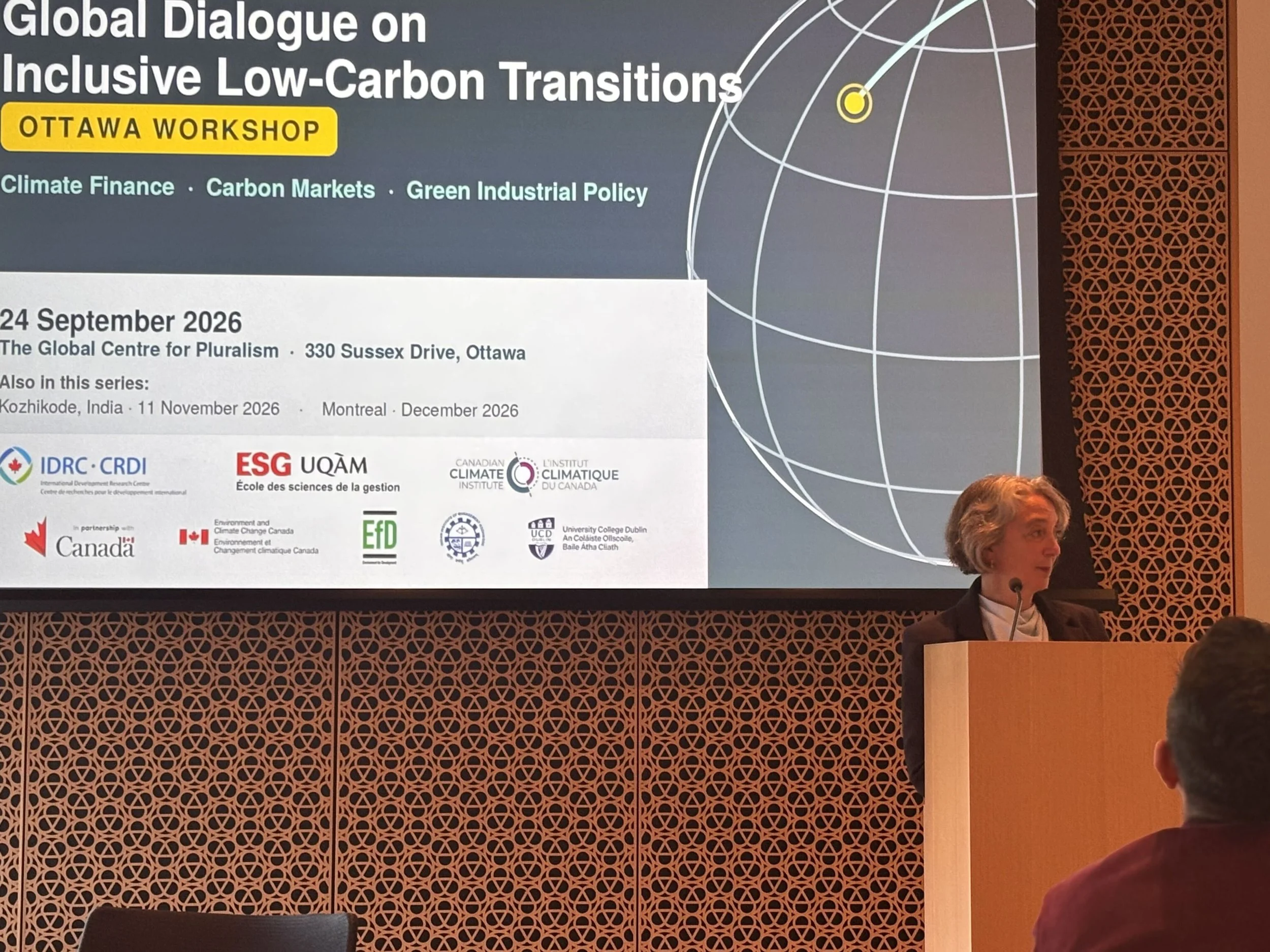
Canada Prepares to Enter Global Carbon Removal Markets: Carbon Business Council Statement
The Government of Canada announced today that it will develop a policy framework to buy and sell international credits, signalling a shift in Canadian federal policy and a boost in the country’s export potential.
Carbon Business Council’s Canadian coalition members have identified roughly $900 million CAD in potential carbon removal credit sales waiting on a clear pathway to export to the international market. With strong rules on environmental integrity and delivery, Canada can convert this global investment opportunity into durable removal projects, skilled jobs, and economic growth in communities across the country.

How Boston Consulting Group Built Carbon Removal Into Business
In 2020, Boston Consulting Group (BCG) committed to addressing 100% of its residual emissions using exclusively high-quality carbon dioxide removal (CDR) credits by 2030. In parallel, BCG continues to purchase and retire independently verified carbon credits equivalent to its full annual greenhouse gas footprint each year.
Beyond direct purchasing, BCG also participates in the First Movers Coalition’s carbon removal sector and in NextGen CDR, initiatives designed to aggregate corporate demand for carbon removal. Collective procurement can help reduce duplication and enable buyers to build procurement capability more efficiently, ultimately providing more confidence for buyers and project developers alike.

Inside JPMorganChase's Carbon Removal Procurement Strategy
In 2023, JPMorganChase announced its intention to help scale investment in emerging carbon removal technologies as part of its broader participation in the voluntary carbon market. Since then, the Firm has purchased more than $200 million in carbon removal credits to help address residual operational emissions that cannot yet be abated.
Before adopting this strategy, JPMorganChase conducted extensive research across the organization to evaluate how carbon removal could support the Firm's broader business objectives and create value for stakeholders as market conditions evolve.

Who's Buying Carbon Removal in 2026, and Why Now
Who’s buying carbon removal in 2026, and why now? The Carbon Business Council spoke with leading global companies across regions and sectors to understand what’s driving their investment in carbon dioxide removal today.
Buyer activity hit a record in the second quarter of 2026 beyond the market’s largest purchaser, with longer contracts and larger volumes alongside the smaller, early purchases that defined the market’s first years.
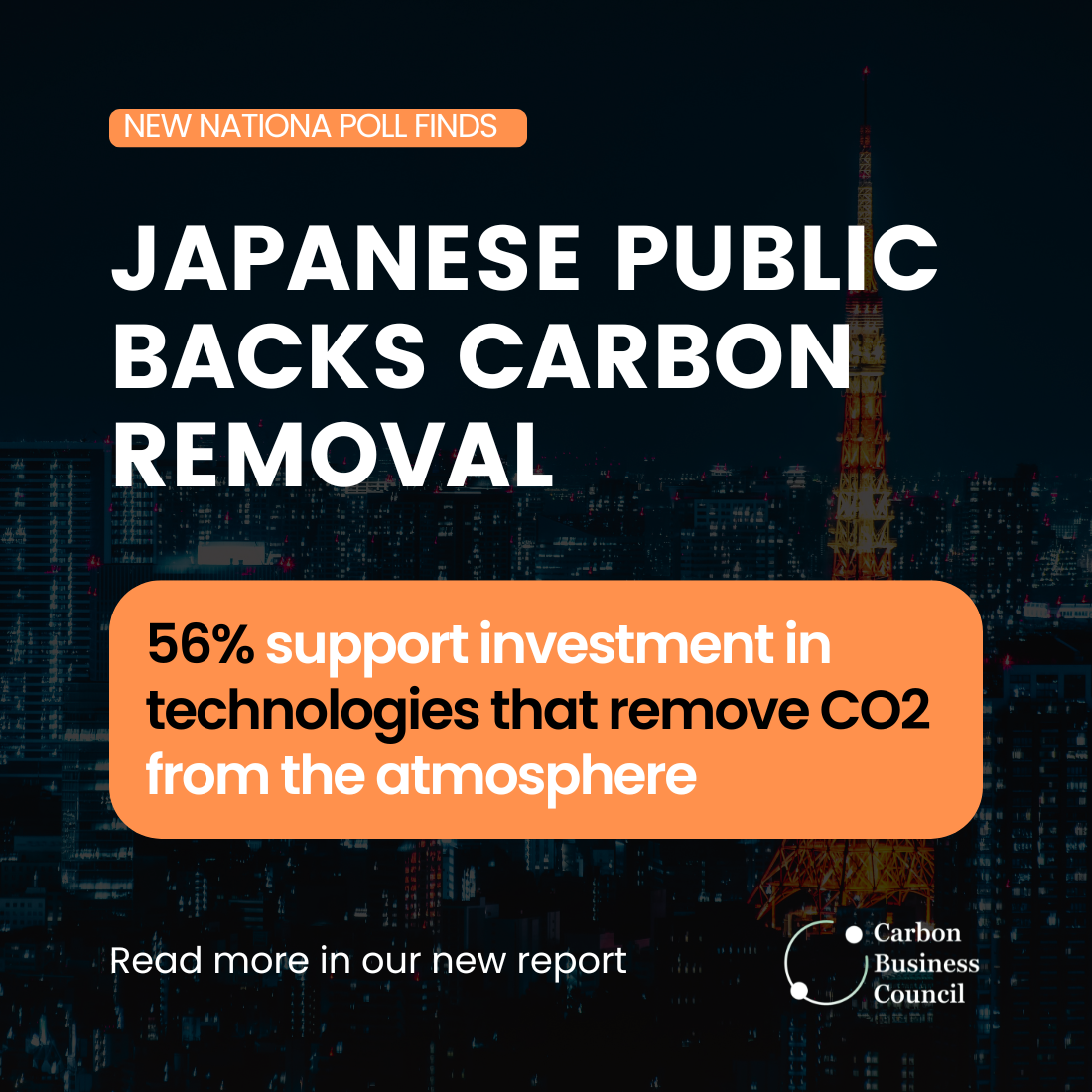
新調査結果:日本国民一般は炭素除去(CO2 除去)を支持—政府と産業界の連携に期待
日本の成人の過半数が、気候目標の達成に向けた手段として CO2 除去(カーボンダイオキサイド・リムーバル、CDR)を支持していることが、Carbon Business Council(カーボン・ビジネス・カウンシル)が本日発表した最新の全国を代表する調査で明らかになった。本調査はBellwether Research 社および、日本を代表する市場調査会社であるインテージとの協力のもとで実施された。2026 年 5 月に実施された本調査は、日本全国の成人 1,061 人を対象に行われ、気候変動への懸念は広く、かつ切実であることを示している。
New Survey: Japanese Public Backs Carbon Removal, Wants Government and Industry to Lead Together
A majority of Japanese adults expressed support for carbon dioxide removal (CDR) as a tool to help meet the country's climate goals, according to a new nationally representative survey released today by the Carbon Business Council, conducted in partnership with Bellwether Research and Intage, Japan's leading market research firm. The survey of 1,061 adults across Japan, fielded in May 2026, finds that public concern about climate change is broad and genuine.
STATEMENT: EU Integrates Carbon Removals into ETS in Major Step Toward Net Zero
The Carbon Business Council welcomes the European Commission's decision to integrate high-integrity carbon removals into the EU Emissions Trading System (EU ETS), a significant step toward a climate framework that reflects the full scope of what net zero requires.
The Carbon Business Council will work to ensure implementation reflects the integrity standards the market requires and the ambition this moment demands.
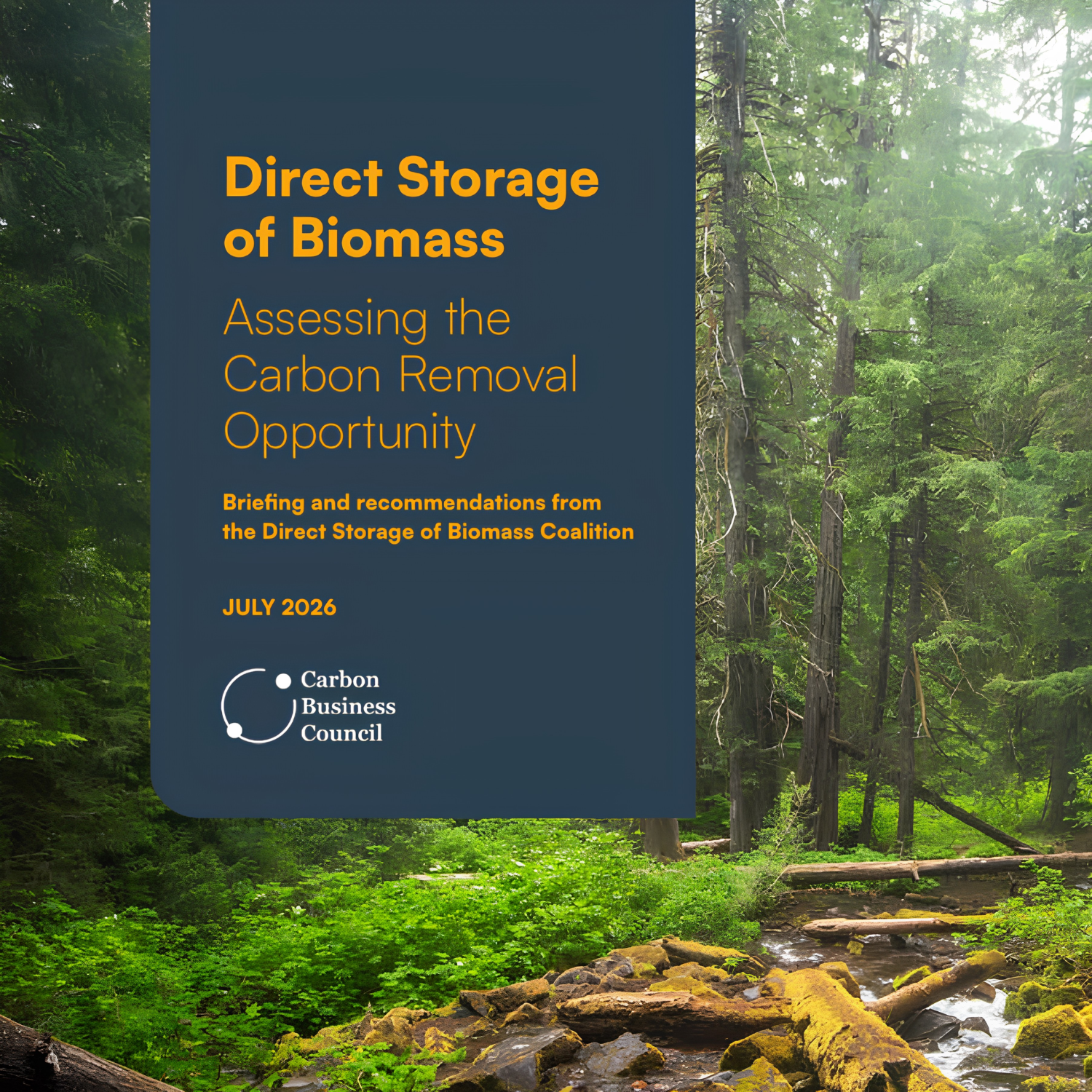
New Issue Brief Charts a Path to Scale Direct Storage of Biomass
Direct storage of biomass (DSB) offers an alternate option: bury or vault the waste material and lock its stored carbon away for centuries rather than releasing it back into the atmosphere. A new issue brief from the Carbon Business Council, Direct Storage of Biomass: Assessing the Carbon Removal Opportunity, explores the carbon removal pathway and offers recommendations for both public and private sector decision makers to drive investment and deployment.
New SBTi Standard Validates Carbon Removal as Essential to Corporate Net-Zero: Carbon Business Council Statement
The Carbon Business Council welcomes the Science Based Targets initiative's new Corporate Net-Zero Standard and its recognition that carbon removal must play an essential role alongside deep emissions reductions in achieving net zero. Under the new standard, companies are expected to use eligible carbon removals to neutralize all remaining residual emissions by their net-zero target year.
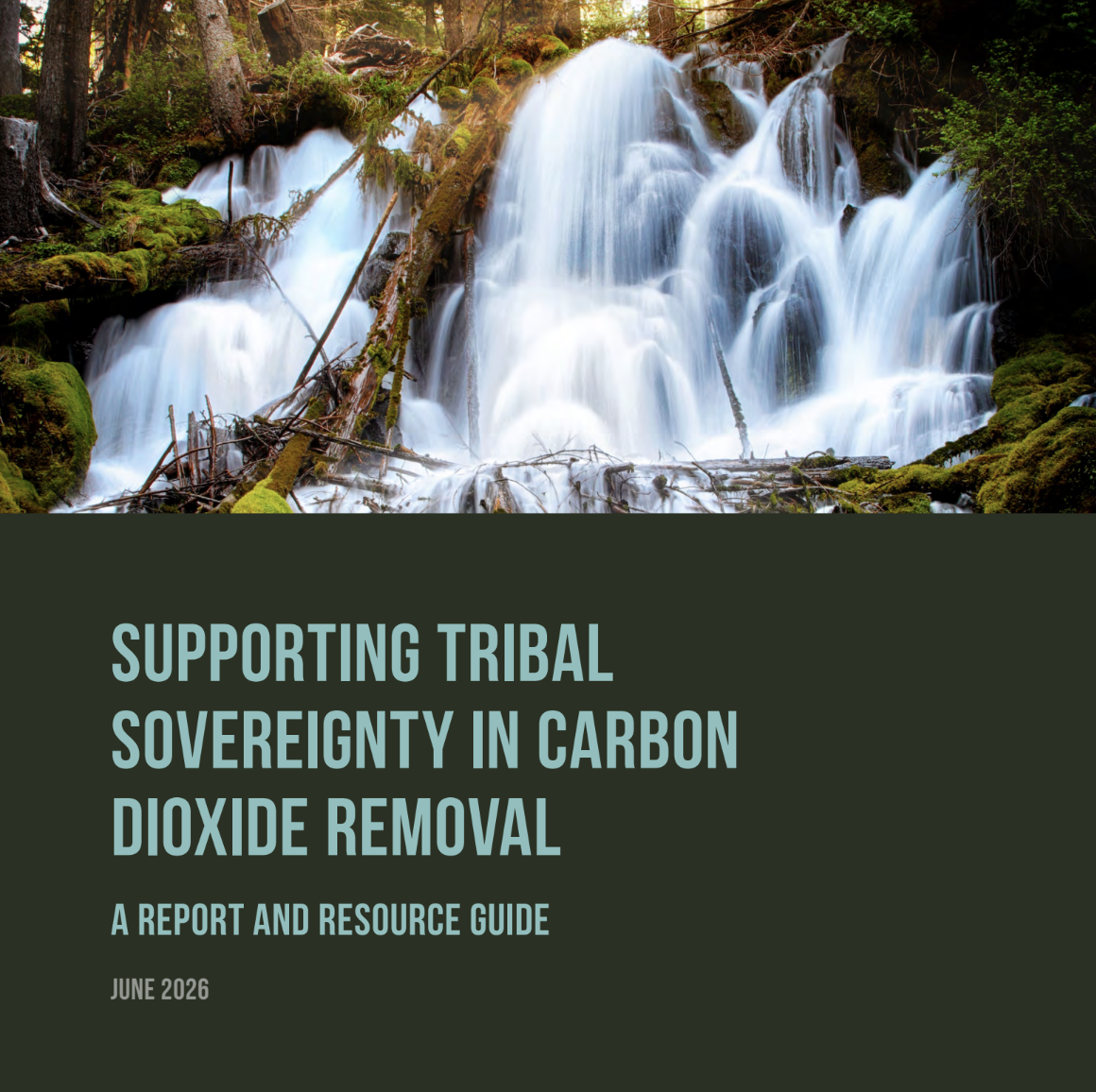
New Report and Resources Equip Tribal Nations to Navigate Growing Carbon Removal Industry
Developed with input from Tribal representatives and CDR experts, these resources are designed to support Tribes in deciding whether and how carbon removal may serve their environmental, cultural, and economic priorities.
The resources include a report written for Tribal leaders evaluating CDR proposals and considering project ownership, a guardrails guide for developers on engaging with Tribes, and a marine CDR reference guide on Tribal rights and interests.
Companies expect to use carbon removal in the future, according to an interview series with corporate leaders. What will help them invest earlier?
The Carbon Business Council commissioned research to speak with Fortune 1,000 companies who have a net zero pledge but have not yet purchased carbon removal. The findings are based on 25 in-depth interviews with sustainability leaders across sectors including retail, financial services, manufacturing, healthcare, construction, transportation, and real estate. Our goal is to understand what opportunities exist for carbon removal and what is holding buyers back.
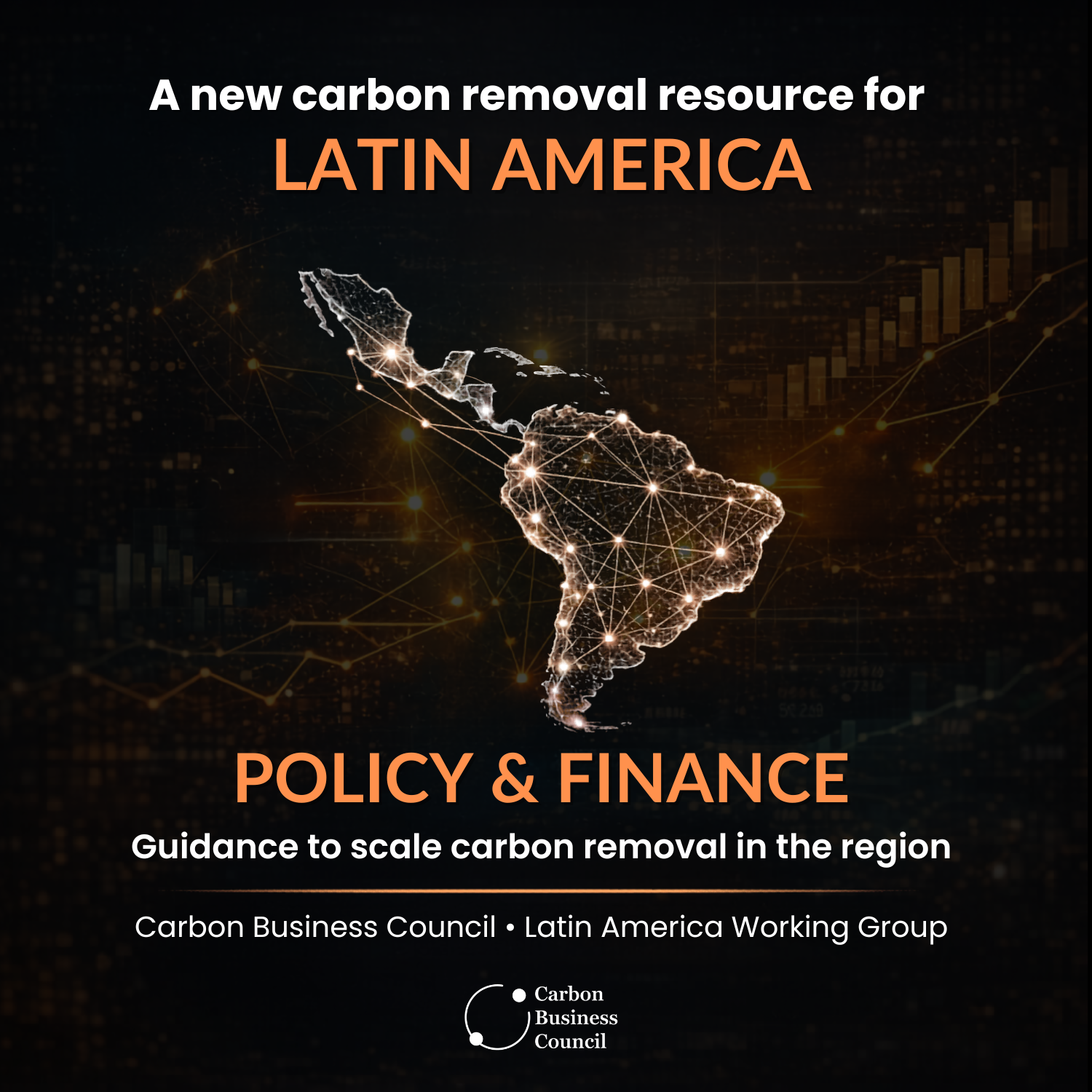
Carbon Business Council Has Published Investment Roadmap to Scale Carbon Removal in Latin America, In Partnership with Leading Companies in the Region
The Carbon Business Council releases the Latin America Carbon Removal Investment Roadmap, a new resource designed to support CDR practitioners, policymakers and investors as they work to unlock capital, achieve bankability, and scale CDR in the region.
Published in English, Spanish and Portuguese, this roadmap is the result of eight months of structured dialogue within the Latin America Carbon Removal Working Group, an initiative convened by the Carbon Business Council to catalyze the region’s potential as a global leader in carbon removal.

Build the Market, Scale the Impact: How International Cooperation Can Scale Carbon Removal
Carbon dioxide removal (CDR) and international trade both center on balance. By removing excess carbon dioxide, built up in the atmosphere over decades, we can re-balance Earth’s natural systems. Meanwhile, the goal of international trade is to match what one country can efficiently produce with what another needs, so both sides gain from exchange. Combining CDR and international trade is a powerful tool to benefit national economies and the environment globally.

How U.S. Department of Energy awardees are shaping the future of carbon management innovation
DOE awardees are showing what carbon management innovation looks like in practice. Across major CDR pathways, companies are securing financing, advancing technologies, and integrating projects into sectors like agriculture, waste management, and energy production.
Carbon Business Council Statement on Market Developments in Carbon Removal Demand
Microsoft has been a market leader in scaling carbon removal. Microsoft has clarified that their carbon removal programing is not ending, but media reports indicate that the company is temporarily pausing the purchase of new carbon removals. The following statement can be attributed to Ben Rubin, Executive Director of the Carbon Business Council, a global coalition of more than 100 carbon management organizations.
Direct Storage of Biomass Coalition Launches to Advance Carbon Removal Pathway
Carbon Business Council announced the launch of the Direct Storage of Biomass (DSB) Coalition, a new industry working group bringing together leading companies to advance understanding, credibility, and responsible deployment of direct biomass storage as a carbon dioxide removal (CDR) pathway.

STATEMENT: Government of Canada’s Procurement of Carbon Dioxide Removal
The Government of Canada launched a call for bids to enable the federal departments to purchase at least $10 million CAD of durable carbon dioxide removal credits from projects in Canada. As the only government in the world with an active carbon dioxide removal procurement program, Canada is taking an important leadership role. The following statement can be attributed to Ben Rubin, Executive Director of the Carbon Business Council, a global coalition of more than 100 organizations working to accelerate carbon dioxide removal market development.
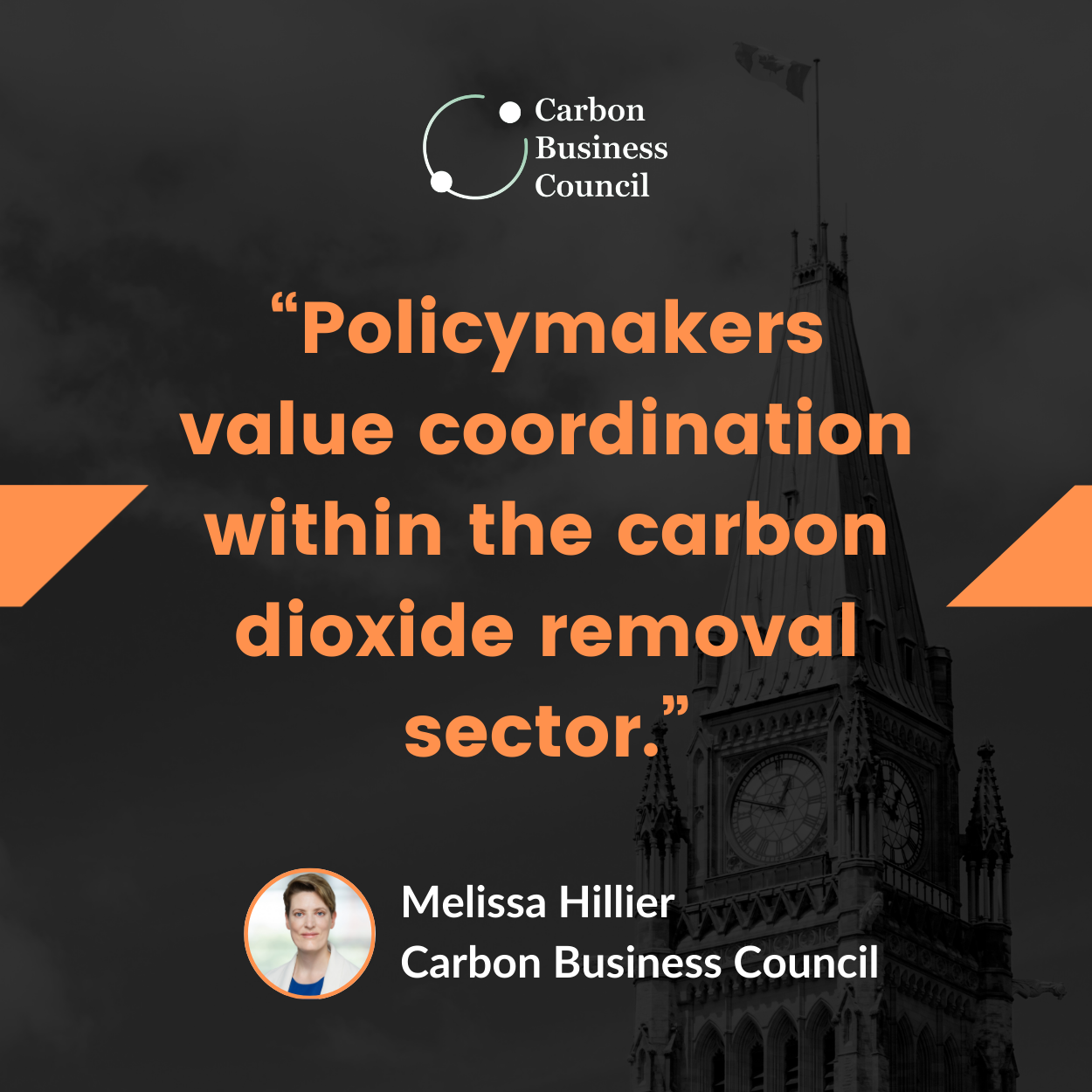
Canada Is Positioning Itself as a Global Hub for Carbon Removal: Takeaways from Convening the CDR Industry in Ottawa
Canada has the building blocks to become a global leader in carbon dioxide removal, and momentum is building.
This was the backdrop during the Carbon Business Council’s in-person convening of our Canada Working Group in Ottawa. Over two packed days, companies representing the breadth of carbon dioxide removal pathways, alongside buyers and ecosystem partners, met with senior decision-makers across government to share a unified vision for Canada’s emerging carbon removal industry.